Pages

Friday, 18 October 2019

Marshmallow Catapult - Physics

Marshmallow Catapult

Aim: To construct marshmallow catapults and record its height and distance.

Equipment: Marshmallows (1 Packet), Rubber Band, Plastic Spoon, Wooden Skewers  ( 7 ) & Tape.

Method:
1. Place three marshmallows in a triangle, them connect them with skewers. 

2. Take a skewer and stick it onto the top of the marshmallow. 

3. Bring the tops of all three skewers and stick them together with one marshmallow.

4. Take a spoon to another skewer.

5. Stick this skewer into one of the marshmallows below the skewer already placed.

6. Take the rubber band and wind around spoon and then loop end of the rubber band around the marshmallow and bringing it underneath the marshmallow {should not be on marshmallow}.

Results:
Unfortunately, we were not able to measure the height of the flying marshmallows but did get the distance. 

Discussion:

Forces Behind The Experiment:
Before we even applied any force or energy on to our catapult, there were already forces acting on the object. This was support and weight force. These forces were keeping the catapult at an upright position, the forces were balanced. This meant that the object was motionless. As we pulled down the catapult kinetic energy was changed into elastic potential energy. When the spoon was pulled down it also gained elastic potential and as we released it converted the energy into motion. As it flew through the air it gained gravitational potential energy. The marshmallow gained as much gravitational potential energy until it stopped at a height which it could no longer go higher and started falling down again, which then was converted into kinetic energy as it fell back down again.

Definitions:
Support Force: is a force that balances the weight of an object.
Weight Force: Weight force is the force of gravity on an object.
Kinetic Energy: When an object is in motion kinetic energy is created.
Elastic Potential Energy: An elastic which can store energy and convert it into motion. 
Gravitational Potential Energy: Energy an object has when off the ground.

Structures:
We found out that different catapults gave us different results. We had three catapults:
Catapult 1: Was the spoon catapult. 
Catapult 2: Was the catapult with the purple bottle cap.
Catapult 3: Was the catapult with the small metal cap. 


These are some results involving distances from our experiment:
Catapult 1


Catapult 2


Catapult 3

Small
Big

Small
Big

Small
Big
0.5
0.8

4.1
3

2.2
0.3
2
0.9

4.2
5

2.5
1
2.5
0.9

4.4
5.7

3
1.8
3.5
1.1

5.8
5.7

3
2
3.8
1.4

6.3
6.9

3.1
2.3
4.6


6.5
6

3.4

4.9


8.3


5.8


5.8


5.8


4


6.3


6.4


As we can see catapult two has the longest small marshmallow throw (8.3m). And, catapult two has the longest big marshmallow throw (6.9m). This is becasue of its structure, catapult two has a bigger structure and more elasticity. This means it's able to bend back further building up more elastic potential to fling further. The more it bends back the further it goes. We can also see that catapult three is not able to fling marshmallows further than 4m because of its size. Catapult three is 2x smaller than catapult two which means it's not able to bend back as much and gain as much elastic potential energy. When bending catapult three we are bending the wood, which is not ideal as it is stiffer. 
Catapult one is the design we made, it has a spoon as the material we bend back, this means it is bendier. It is quite small than means it does not bend all the way back. In conclusion, without a doubt, the best catapult would be catapult two.

Calculating Gravitational Potential Energy:

Thursday, 26 September 2019

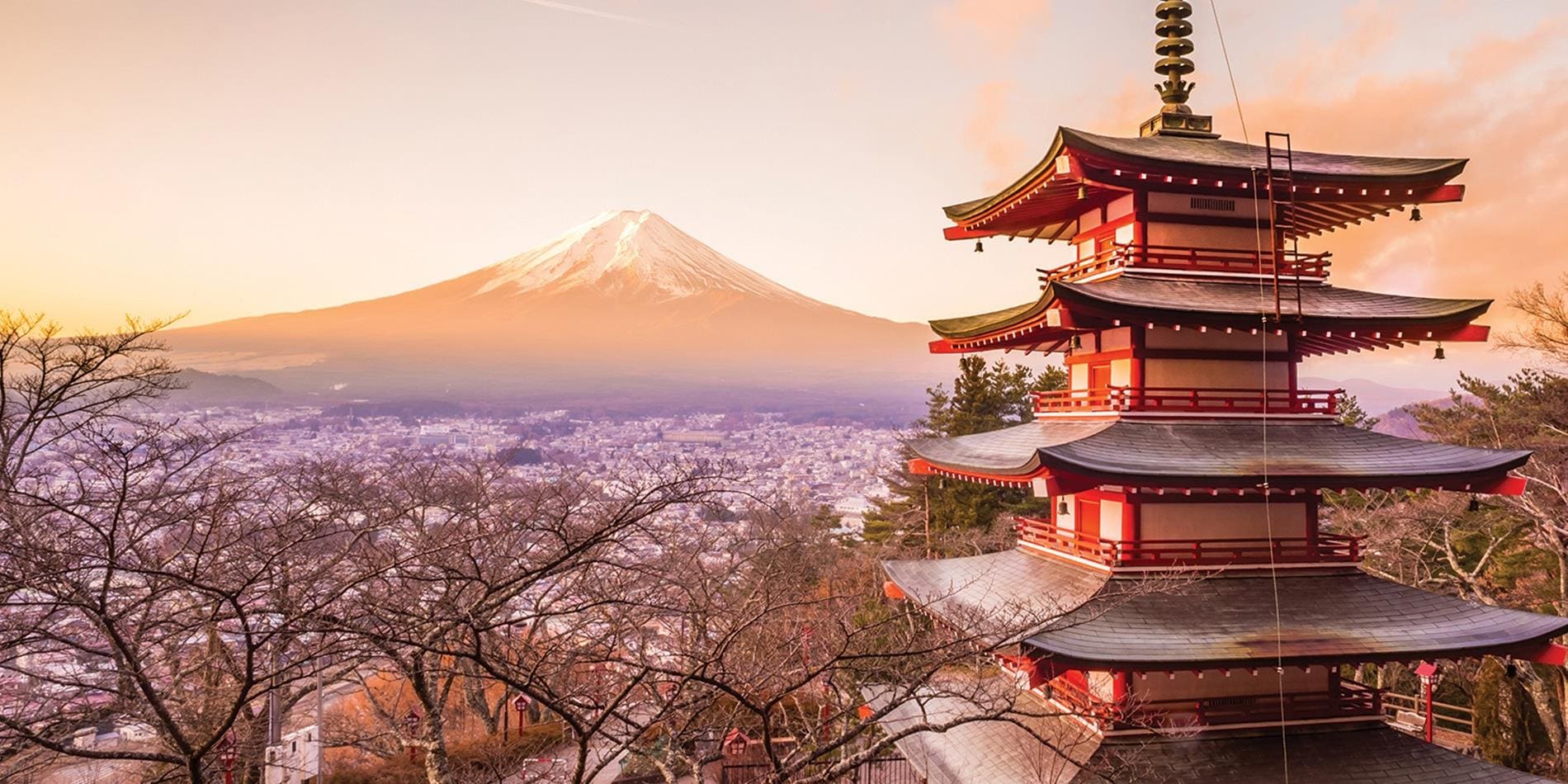
🇯🇵 Japan 🇯🇵

Japan
This home economics lesson we learned about Japan and their culture. 
I learnt:
In a traditional tea ceremony ladies were the only one to serve the tea. 
That soy sauce is fermented and the difference between dark and light is how long it has been fermented for.
That the Japanese take pride in their lunch boxes and usually spend 10 minutes preparing one. 

Questions?
What rice do the Japanese use for their sushi rolls?
How many types of rice are there? Name Them.
Which is the healthier rice, Brown rice or White rice?

Image result for japan

Tuesday, 17 September 2019

Home Economics - Souvlaki

Souvlaki

Last Friday our Home Economics groups made Souvlaki wrap. Souvlaki is a wrap with thin strips of meat and tzatziki sauce. 


The lesson we had a person absent, which meant we had to work extra hard to complete the dish. I also was not able to eat beef, so Mrs Hindson gave me a small chicken breast. The lesson went well, everyone knew their place and they were focused. They got their work done quickly and the class finished on time. 

What did the group do well?
The group stayed focused and were productive. They understood the recipe and completed the instruction well. The group was committed to finishing on time, we achieved this.

What needs to be improved next time?
If we were to do this dish again I would add more vegetables and maybe more spices on the chicken, to give flavour. I would also warm the bread so it would stay warm while eating and maybe add more sauces. 

Feedback?
I personally loved the dish, it had flavour and the chicken was soft. The vegetables were nice and had a fresh taste to it. My peers enjoyed their Souvlakis as well. 

Next Steps:
1. Being able to wash dishes more quickly.
2. Keeping the benchtop clear. 

Tuesday, 10 September 2019

Pad Thai - Home Economics

Pad Thai
Last Friday our home economics groups made pad thai. Pad Thai is a stir-fried noodle dish served with egg, cashew nuts and etc. 

My group were assigned tasks of their own because this was a very time-consuming recipe. So everyone needed to be making parts of the dish. We did not have a full group of 4 because some students were absent, so we borrowed someone for the lesson. Getting into the lesson I personally think some people didn't know how to work on their own/read the recipe, so this caused interruptions. But in the end, everyone got their pad thai dish with time to spare.

What did the group do well?
The group stayed focused, even though at times people didn't know how to prepare stuff, they stayed on track and completed it. We communicated well and helped members within our group. The group had good time management and like I said before we had time to spare.

Whats needs to be improved next time?
If we were to do this dish again, I would not pour as much water in the pad thai when cooking it above the stove, because I had to wait quite a while before the water was able to evaporate. When making this dish again I would add more vegetables and maybe a fried egg.
Next time I would add just a bit more spices into it and chilli to give a nice flavour. Team work-wise I would say perhaps being able to read and carry out the instruction quickly. 

Feedback? 
I personally liked the dish but the noodles had a slimy texture to it, this may have been due to me pouring more water into the dish than usual. My friends had the same comment. 

Next Steps:
1. Reading and carrying out the instructions quickly. 
2. Taking a few more photos. 

Tuesday, 3 September 2019

Ancient Egyptians - Cosmetics

Cosmetics:
Believe or not, the ancient Egyptians invented make-up. The purpose was to protect the skin and prevent the body odour from offending the gods, goddesses and others. Some additional reasons include protecting themselves from the harsh rays of the sun and dark colours were applied to ward off evil eyes. The ancient Egyptians used natural resources in their makeup. Makeup was worn by both genders because they took pride in their appearance. This is very different from the technology was have now because we are able to get multiple shades of makeup in lipstick, eyeshadow, blush and many more. The makeup we have now is very different from ancient Egyptian makeup because we have many high tech tools which help us easily apply cosmetics. 

They used:
Malachite, this provided a green colour ( This was very popular at that time ).

Kohl, this used to draw thick lines, giving the almond shape to the eyes.

Red Ochre, was used as a lipstick.

Henna, was used to dye toes and fingers.

Reflection - English Speech


Related imageReflection:

In English class, we have been writing a speech on our favourite topic and learning techniques on how to do a good speech. My presentation was about education. I talked about why it is important, the places that don't offer education, the impacts of not going to school and some relevant facts. I am proud of everything I have produced but especially the speech, I put a lot of effort into writing it. I didn't have many challenges apart from speaking in front of an audience. If I was to do something different next time I would speak a little louder and project my voice. 

Monday, 2 September 2019

Pizza - Home Economics

🍕 Pizza 🍕

Last week, my home economics class made pizza. We were given tasks to do and we had to do them really quickly, sometimes we would mess up instructions but at the end, we got a nice tasting pizza. The pizza was really nice, the base wasn't too hard ( as some homemade pizzas can be ) and the toppings tasted really good. But we had a problem with the cheese it spilt onto the trays. Ms Hindson explained the problem, it was next time use a different type of cheese, preferably mozzarella. 

What the group did well?
They stayed focus throughout the lesson and got things done quickly. We all contributed and no one was left by themselves. 

What needs to be improved next time?
Next time I would choose mozzarella cheese ( as explained above ) and make the pizza dough a bit bigger.

Feedback?
I personally liked the pizza especially the base it was very soft. My group had a mutual response they loved the pizza as well.